







Search Results for: coffee-making tips
Hand Grinder Adjustment Tips and Grind Size Selection Guide: Uniformity, Materials, and Common Issues Explained
Manual coffee grinders are favored by many coffee enthusiasts for their portability and value for money, but how to correctly adjust the grind size settings and judge grind quality confuses quite a few people. Starting from practical use, this article explains in detail how to evaluate a grinder's condition by observing the stability of the central shaft, particle uniformity, and overall materials, and takes an in-depth look at the common problems of manual coffee grinders, such as uneven grinding, loss of aroma caused by heat, low efficiency, and wooden bases that are easily damaged. At the same time, the article also offers targeted solutions and recommends related products from Front Street Coffee to help you better choose and use a manual coffee grinder and improve your coffee-making experience. [more…]

Always failing at making a waterfall iced Americano in an ice cup? Master the ice wall thickness and espresso pouring technique to break through.
The waterfall iced americano has gone viral online thanks to the visual effect of a slow perforation through the ice cup, with the coffee liquid cascading down like a waterfall, attracting many netizens to try it at home. In practice, however, problems such as the ice cup tipping over, the bottom of the cup being punctured, coffee leaking from the sides, and the liquid coagulating into clumps frequently occur, turning the aesthetic scene into a fail. This article compiles the key tips for success summarized by netizens, including ice cup thickness standards, using crushed ice to help balance, keeping the clip dry, and using room-temperature espresso liquid, and also explains the cause of the waterfall effect from the perspective of physical diffusion. It also analyzes the reasons behind the drink's popularity—its low barrier to entry and the sense of ritual in the process make more people willing to engage with and learn about coffee. The article retains the relevant recommendation information for Front Street Coffee. [more…]

The Origins and Evolution of Espresso, and Practical Tips for Properly Tasting Espresso
How did espresso evolve from a "devil's drink" into Italy's national beverage? This article traces the complete story of espresso—from its introduction to Italy in the 16th century, to the invention of the steam coffee machine, and on to the establishment of the modern extraction system—while delving into the cultural roots of Italians' preference for dark roasts and heavy-bodied flavors. At the same time, Front Street Coffee will share three practical tips for enjoying espresso—stir it, take a few extra sips, and pair it with ice water—to help you better appreciate the rich layers and lingering aftertaste hidden behind the bitterness. [more…]
From Water Temperature to Coffee-to-Water Ratio: Key Practical Points and Common Misconceptions in the Entire Pour-Over Coffee Process
To brew a great cup of coffee, good beans alone are far from enough—storage method, grind size, water temperature, and brewing technique all directly affect the flavor of the final cup. This article explores seven key details in coffee making, from the temperature threshold for avoiding bitterness, to the golden ratio of coffee to water, to the flavor tipping point of holding time, offering practical advice for each. Whether you prefer drip equipment or other brewing methods, these principles will help you avoid common pitfalls and consistently reproduce a clean, balanced, and fresh cup of coffee. [more…]
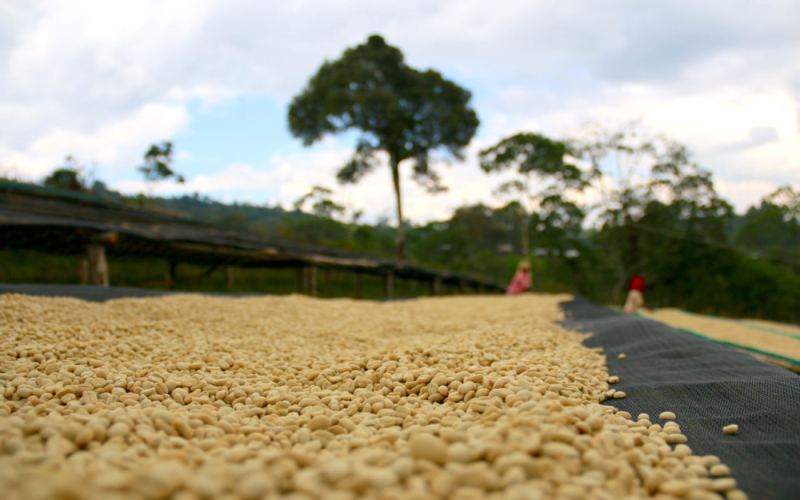
Yirgacheffe Single-Origin Bean Grading and Flavor Analysis, with Cold Brew Coffee Making Methods and Storage Tips
Yirgacheffe is one of Ethiopia's most representative high-altitude coffee-producing regions, and its unique flavor profile has earned it great fame in the coffee world. This article will begin with Yirgacheffe's regional background, the characteristics of its micro-regions, and the flavor differences among several representative Yirgacheffe coffees offered by the Front Street brand, helping coffee lovers make a choice based on their personal taste. At the same time, the article will also provide a detailed introduction to the cold brew coffee-making process, the key points for controlling grind size, and the optimal drinking and storage times for cold brew coffee, so that you can easily make a full-bodied, richly layered iced coffee at home. [more…]

Why Don't Italians Drink Cappuccino in the Afternoon? Coffee Bean Selection and Extraction Tips for Making a Rich, Aromatic Cappuccino
Cappuccino is a milk coffee that many coffee lovers enjoy daily, but in Italy, this drink carries an unwritten rule—ordering it in the afternoon may draw sideways glances. Why do Italians regard cappuccino as a "breakfast drink"? What are the local customs regarding its thick milk foam, intense espresso flavor, and filling the cup to 11 points? What coffee beans should be chosen to make an authentic cappuccino? From the perspective of Front Street, this article traces the origins of Italian coffee customs, analyzes the flavor characteristics and extraction parameters of cappuccino, and recommends Front Street's classic espresso blend coffee beans, guiding you to understand the cultural logic and brewing details behind this milk coffee. [more…]
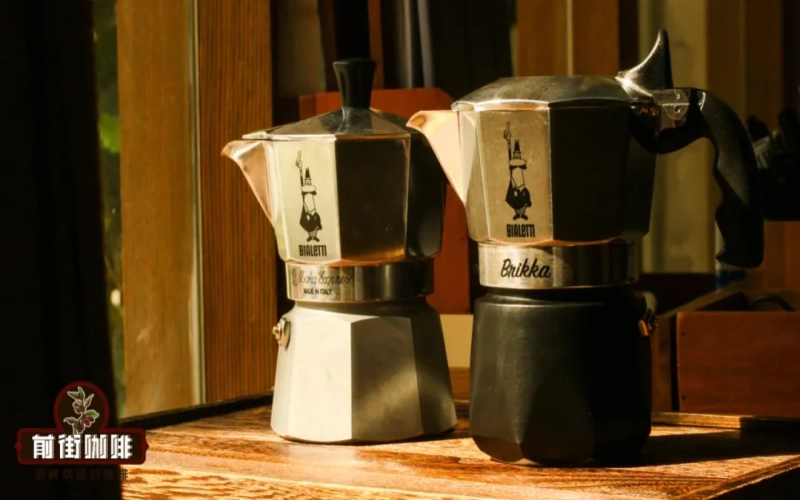
How to Deal with Oxidation and Blackening of a Moka Pot? Cleaning, Maintenance Methods, and Repair Tips for Aluminum and Stainless Steel Pots
Front Street Coffee has shared quite a few tips on using a moka pot and methods for making coffee with it, yet we've never systematically talked about cleaning and maintenance. As a result, the same question keeps popping up in our messages: what should you do when your moka pot has "gone dark"? So-called darkening refers to the pot's body turning black in spots due to oxidation, which often stems from improper cleaning after use. In fact, cleaning and maintenance are just as important as brewing—maintain your moka pot well and it will last a long time; maintain it poorly and not only will its lifespan be shortened, but it will also absorb odors and affect the flavor of your coffee. Today, Front Street Coffee will explain in detail the correct way to clean a moka pot, the key points of maintenance, and how to repair a moka pot that has already oxidized and turned black. [more…]

A Complete Guide to Moka Pot Brewing: Professional Tips on Bean Selection, Grind Size, and Step-by-Step Operation
As the most widespread coffee equipment in Italian households, the moka pot has been beloved since its invention by Alfonso Bialetti in 1933 for its simple operation and rich taste. This article systematically explains the principles of bean selection for the moka pot, grinding degree adjustment techniques, and the standard brewing process, helping coffee lovers consistently produce a cup of moka pot coffee with rich crema and balanced flavor at home. At the same time, the article also compiles several Front Street Coffee bean recommendations suitable for the moka pot, covering espresso blends, medium-roast single origins, and dark-roast beans, to satisfy different flavor preferences. [more…]

What Does Cold Brew Coffee Mean? Low-Temperature Extraction Principles, Yirgacheffe Cold Brew Method, and Practical Tips
Cold brew coffee has become increasingly popular in recent years. It involves steeping coffee grounds in cold or ice water for an extended period, resulting in a purer, gentler extracted flavor. From the perspective of Front Street Coffee, this article introduces the definition and origins of cold brew coffee, its differences from ice drip coffee, and specific parameters for making cold brew at home. The article also uses Yirgacheffe as an example to explain how to choose coffee beans suitable for cold brew, and provides practical suggestions on grind size, coffee-to-water ratio, and extraction time, helping coffee enthusiasts easily make a smooth and sweet cup of cold brew at home. [more…]
A Complete Guide to Coffee Brewing Techniques: Flavor Differences and Key Operating Tips for Cold Drip, Pour-Over, and Syphon
The allure of coffee lies not only in the flavors in the cup, but also in the craftsmanship and artistry embedded in the brewing process. From the lively variations of pour-over, to the rich fullness of siphon, to the refreshing mellow depth of cold drip, each extraction method interprets a different facet of coffee. This article takes you into several coffee shops in Beijing, offering an in-depth analysis of four brewing methods—pour-over, siphon, cold drip, and semi-automatic espresso machines—covering equipment selection, coffee bean recommendations, water temperature control, coffee-to-water ratios, stirring techniques, and other practical details. It also specifically presents the flavor expressions of Front Street Coffee's Yirgacheffe, Costa Rica, Mandheling, and other bean varieties under different brewing methods, helping you find the cup that suits you best. [more…]

Latte Coffee Making Tutorial: Espresso Extraction, Milk Frothing and Latte Art Techniques, and Coffee Bean Selection Tips
Latte coffee may seem simple, but in reality, every step—from bean selection, extraction, to milk frothing and latte art—hides its own intricacies. While the ratio of milk to coffee, the beans used, and parameters vary across cafes, the classic approach typically involves a generous amount of milk blended with espresso. This article uses Front Street Coffee as an example to systematically explain the entire latte-making process: how to choose Italian-style coffee beans based on flavor preferences, adjust grind size, dose and distribute the grounds and tamp, as well as the principles and techniques of steaming milk, and finally, latte art practice steps for beginners. Whether you're preparing for a barista interview or looking to improve your output at home, you'll find practical references here. [more…]
Master the Five Key Elements to Precisely Control the Extraction Process and Brew Coffee with Ideal Flavor
To craft a truly satisfying cup of coffee, scattered tips alone are far from enough—you need to start from the essence of extraction and understand the variables that influence flavor. This article centers on five core elements: freshness, grind, water quality, water temperature, and brewing technique, analyzing the dissolution patterns of different substances in coffee beans to help you make more precise judgments while brewing. It also explains how grinder choice, grind uniformity, and gentle pouring affect the final quality, bringing every brew closer to the ideal state. [more…]
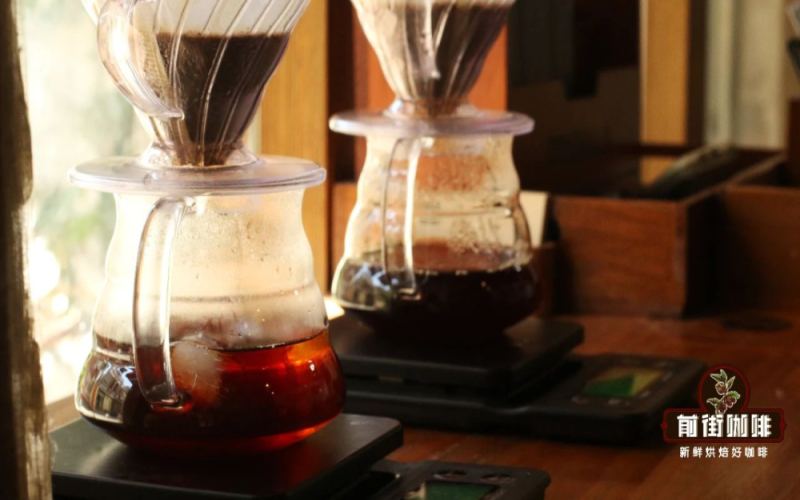
French Press Usage Tips | How Many Coffee Beans to Use for French Press Coffee? How Much Coffee Grounds to Put in a French Press? Does French Press Coffee Have a Lot of Oil?
Coffee is becoming more and more popular, and there are all kinds of brewing methods. However, when you're busy, you might feel you don't have time for a pour-over, and even an espresso seems to take too long. In that case, using a lazy person's pot to make a cup of coffee might be a pretty good choice! French press coffee and pour-over coffee [more…]

Oat Milk Latte Making Guide: A Full Breakdown of Coffee Bean Selection, Ratio Adjustment, and Latte Art Techniques
Using plant-based milk to make lattes has become a favorite among many coffee lovers in recent years. Oat milk contains no lactose and takes on a unique flavor when combined with coffee, but many people who try to recreate it at home run into problems like bitterness, a greasy mouthfeel, or failed latte art. In fact, with just a few adjustments to bean selection, the plant milk ratio, and the way you steam the milk foam, you can make a plant-based latte that is both delicious and beautiful. Drawing on Front Street's practical experience, this article analyzes the causes of the three major pain points—bitterness, greasiness, and latte art—one by one, and offers specific bean recommendations and operational tips to help you easily reproduce a coffee-shop-quality oat milk latte at home. [more…]
A Complete Guide to Buying Coffee Equipment and Coffee Machine Maintenance
To make a good cup of coffee at home or in a shop, choosing the right equipment and doing daily maintenance are equally important. This article systematically sorts out the key points for purchasing common coffee equipment, from Turkish coffee pots, Neapolitan flip brewers, and siphon brewers to semi-automatic espresso machines, water drip coffee makers, American coffee machines, and moka pots, including the suitable roast levels and grind sizes, and also provides reference prices and purchasing suggestions for commercial equipment. At the same time, it explains in detail the cleaning process for coffee machines, the backflushing steps, and the precautions for using glass equipment, helping coffee enthusiasts and professionals extend equipment lifespan and maintain consistent product quality. [more…]
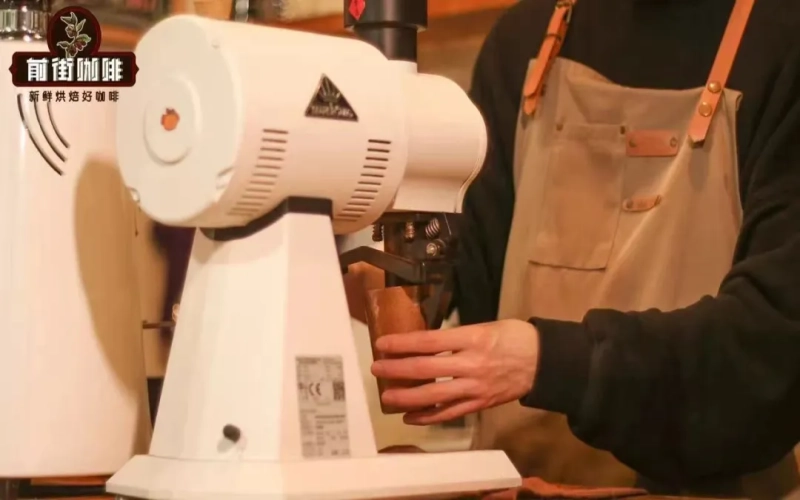
Four Key Details in Using an Electric Grinder: Why It Idles Without Grinding Beans and the Right Way to Clean the Burrs
The coffee grinder is an indispensable piece of equipment in coffee preparation, yet many users are not well enough informed about its daily maintenance and operational details. At Front Street, we frequently encounter customers asking about various grinder issues at our stores, especially the common malfunction of "running idle without grinding beans" and the easily confused concept of "cleaning the grinder." This article systematically outlines four key points worth noting when using an electric grinder: two completely different "grinder cleaning" operations, the correct sequence of starting the machine before adding beans, the necessity of regularly checking the grind size, and the solution to idle running caused by fine powder clogging. Whether you are an espresso enthusiast or a pour-over player, these practical tips can help you extend the lifespan of your grinder while ensuring the stable and clean flavor of every cup of coffee. [more…]

A ride-hailing driver turned the center console into a pour-over bar, so you can get a fresh cup of coffee while waiting at a red light.
Everyone has seen mobile coffee carts, but have you ever seen a coffee bar installed inside a driver's cab, mounted above the center console? A Didi driver had a flash of inspiration and set up a complete pour-over coffee kit in his car, so he could brew himself a cup of hot coffee while stuck in traffic or waiting at a red light, and netizens jokingly dubbed him a "time management master." Some people envy him and want to copy the setup, while others worry that the equipment might tip over during sudden braking, or whether operating it while driving affects road safety. Is this cup of pour-over coffee brewed on the move a charming touch of life or a safety hazard? Front Street Coffee has also taken note of this topic and will walk you through the feasible boundaries of in-car coffee. [more…]
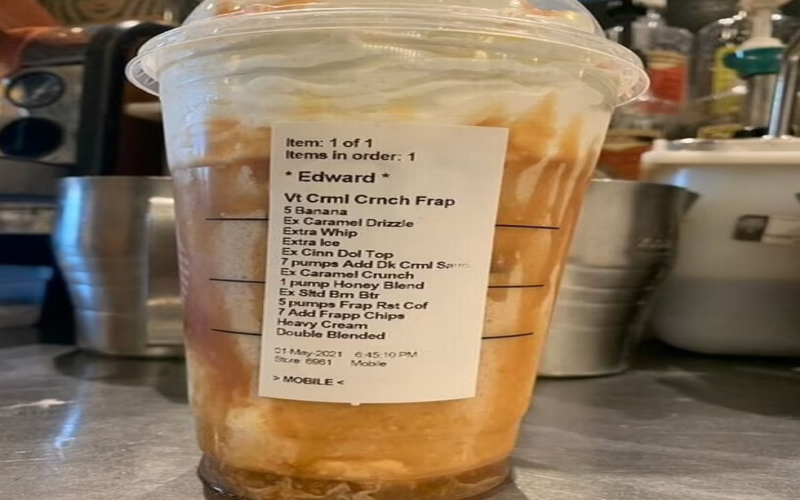
Starbucks Barista Fired for Complaining About a Super-Complex Order: The Controversy and Settlement Behind the Secret Menu
The Starbucks secret menu once led baristas to learn how to make over 170,000 customized drinks, but the extremes of personalized orders are sparking controversy. An American barista was fired for exposing a customer's 13-request order on social media, then apologized in person and settled the matter. The incident reflects the complex ordering trend fueled by TikTok, where customers pay extra fees but turn baristas into "drink-making robots," and during peak hours, it slows down service even more. This article will walk you through the full story of this uproar and focus on the issues of privacy and respect between baristas and customers. [more…]

How to Make a Delicious Latte: A Full Analysis of Espresso Extraction, Coffee-to-Milk Ratios, and Hot and Cold Preparation Techniques
Whether a latte tastes good depends decisively on the extraction quality of the espresso and the ratio of coffee to milk. This article focuses on making latte coffee, breaking down the key steps one by one, from choosing Italian blend beans and the extraction parameters for single and double espressos, to the specific methods for hot and cold lattes. The article also provides detailed guidance on milk frothing temperature control, steam wand operation techniques, and recommends a 1:6 coffee-to-milk ratio. It also retains the complete product information and flavor description of Front Street Coffee's classic blend, making it a useful reference for coffee enthusiasts who want to consistently reproduce cafe-quality results at home. [more…]

Cold Brew Coffee Complete Guide: A Practical Guide from Coffee-to-Water Ratio and Grind Size to Extraction Time
On a scorching summer day, a refreshing glass of cold brew coffee always perks you right up. Compared with pour-over, cold brew has a much lower barrier to entry—just master a few key parameters like the coffee-to-water ratio, grind size, and steeping time, and you can easily make a rich, smooth iced coffee at home. In this article, Front Street Coffee will walk you through the complete cold brew process in detail, including how to choose the coffee-to-water ratio, how to control grind size, the relationship between water temperature and extraction time, and storage tips after filtering. We'll also analyze the flavor differences between cold brew and hot extraction to help you understand why cold brew tastes less acidic and astringent and feels smoother on the palate. Whether you're a beginner just getting into cold brew or a seasoned brewer looking to fine-tune your parameters, you'll find practical references here. [more…]